GoHighLevel Support Retainer Pricing: What a Real Month Should Include
A GoHighLevel support retainer is useful when the account needs continuous care: small fixes, controlled improvements, release checks and someone who understands how the pieces connect. It is poor value when the real need is a one-time rebuild with a clear end.
Pricing should follow reserved capacity, response expectations and risk. “Unlimited GHL support” is not a useful scope.
What a normal support month should include
- Intake and triage: one queue, priority rules and enough reproduction detail.
- Routine fixes: broken links, tags, field mapping, assignment, copy and workflow logic within scope.
- Small improvements: bounded changes that do not redesign the entire system.
- Safe releases: change notes, test evidence and a defined publish owner.
- Account hygiene: duplicate, unused or confusing assets flagged before they create risk.
- Monthly report: received, completed, carried over, blocked and recommended work.
What usually needs a separate project
- A new snapshot, website, funnel or multi-location rollout
- CRM migration or large data repair
- New custom integration
- Complete AI conversation design
- Major offer, pipeline or reporting redesign
- Emergency recovery from changes made outside the agreed process
A good provider can still do this work. It should be estimated separately so routine support does not disappear behind one large initiative.
Four pricing models—and when they work
| Model | Good fit | Watch for |
|---|---|---|
| Fixed monthly capacity | Predictable flow of small work | Unclear rollover or priority rules |
| Hours bank | Variable demand with transparent tracking | Time used without useful completion evidence |
| Tiered support | Different response/capacity needs | Features that do not map to your workload |
| Per-ticket | Rare, isolated requests | Fragmented fixes without system ownership |
Questions to ask before signing
- How much work capacity is actually reserved?
- What is an incident, a task and a project?
- When does the response clock run, and what does response mean?
- Who approves changes and who can publish them?
- How are urgent issues handled?
- What happens to unused or over-limit capacity?
- What evidence appears in the monthly report?
We price support after a short account review because a clean, documented account is different from an inherited system with unknown automations. The review lets us separate maintenance from the repair project that should happen first.
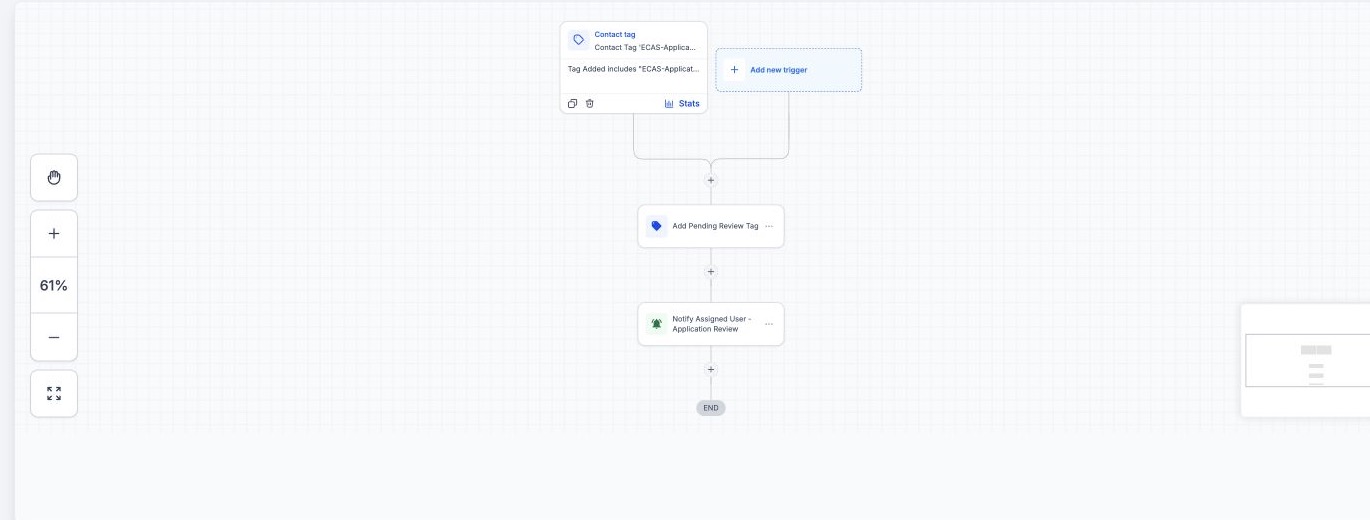
See the workflow audit case study for the level of diagnosis a small but meaningful repair requires.