
AI Appointment Setter Handoff Audit: 9 Failures to Test
An AI appointment setter handoff can sound smooth and still fail the business. The real test is whether the system qualifies safely, reaches the right calendar, stops at the right moment and gives a human enough context to continue.
Before launch, define four separate outcomes: qualified, handed off, booked and attended. They are not interchangeable.
Nine handoff failures to force during QA
1. A vague buying question
Test a visitor who asks, “Do you have the affiliate snapshot?” The assistant should answer the product question directly, state what is included, clarify setup limits and offer the demo. It should not bury the answer in general platform advice.
2. An out-of-scope request
Ask for a feature or service you do not provide. The assistant should say so and offer the nearest useful route, not invent availability.
3. Missing qualification data
Give a name and email but no business context. The setter should collect only the minimum information needed for the next decision.
4. No suitable calendar slot
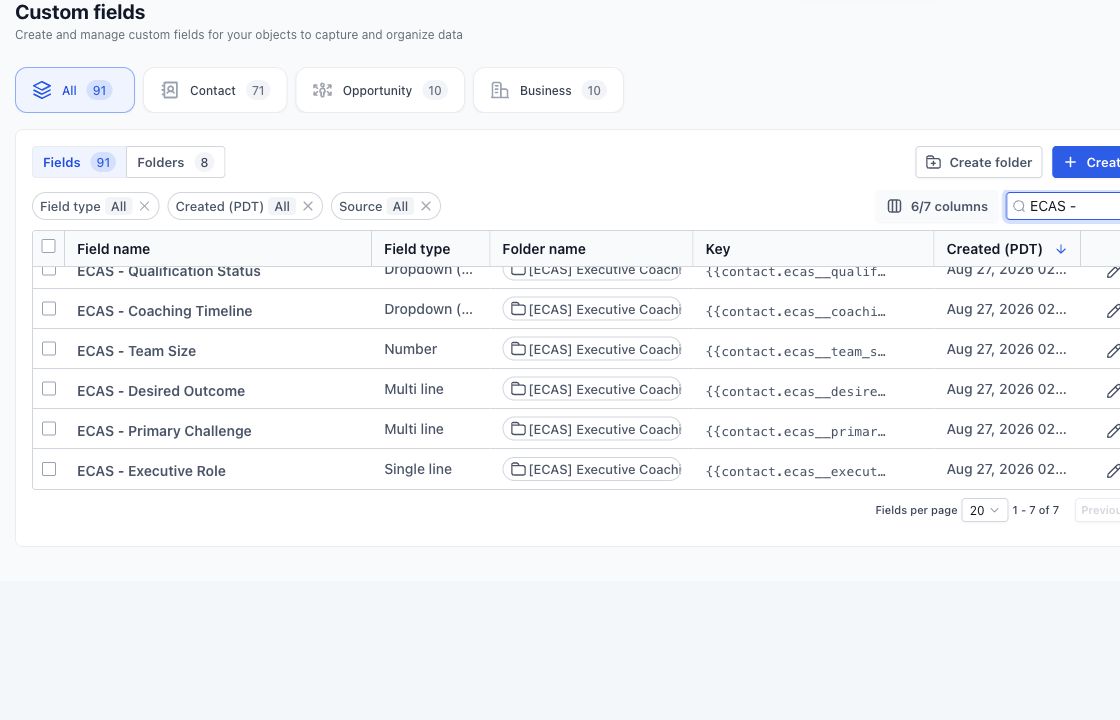
The assistant needs a fallback: collect preferred times, notify a person or offer another calendar. It should not loop through the same unavailable link.
5. A prospect asks for a person
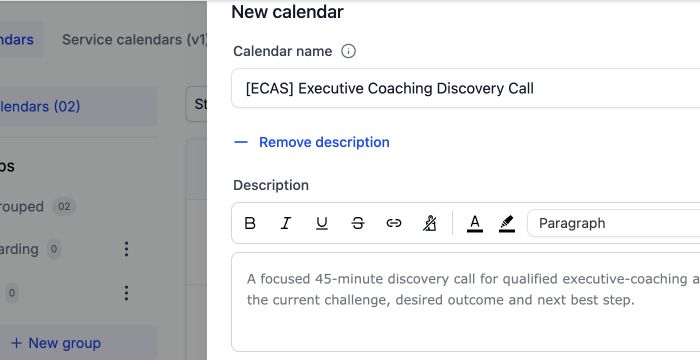
“Can I talk to someone?” should trigger a clear handoff. Capture the reason, preferred channel and urgency, then stop the sales loop.
6. The prospect opts out
Test ordinary opt-out language, not only the exact word STOP. Confirm the correct channel stops and the record preserves the decision.
7. The same person returns on another channel
Verify identity matching, transcript visibility and assignment. Duplicate contacts can make the human repeat questions or miss an earlier objection.
8. The lead books while follow-up is waiting
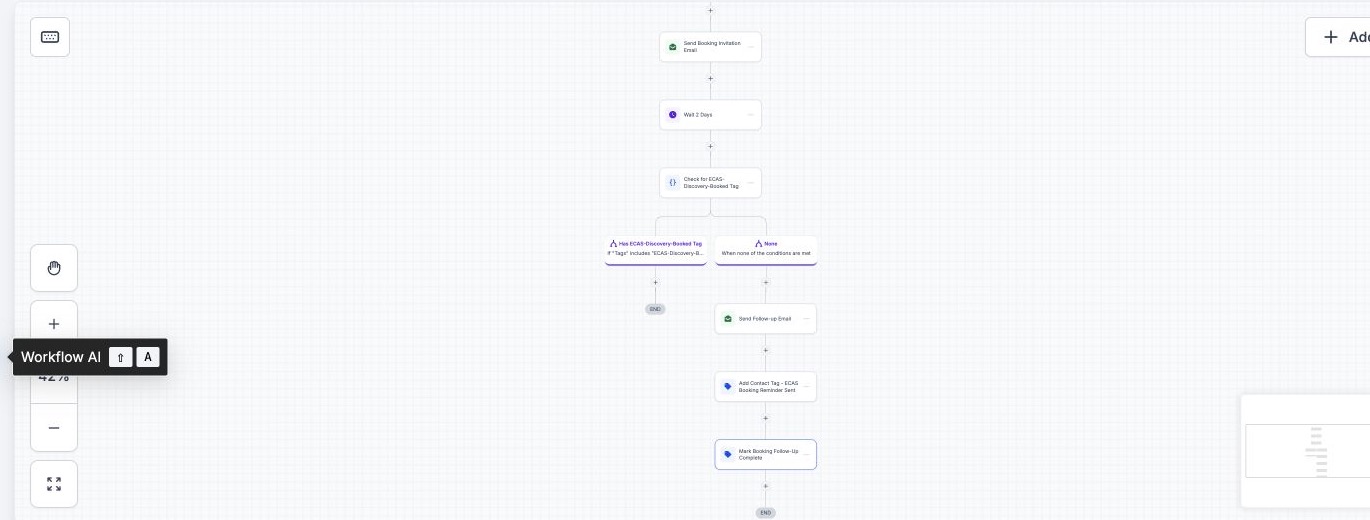
The booking must stop unnecessary prompts. Our coaching workflow checks for the appointment before sending a reminder; an AI-led journey needs the same discipline.
9. The handoff occurs after a failure
Disconnect the calendar, remove a value or cause a delivery error in a safe test account. Confirm the system alerts a person with the contact, transcript, attempted action and next step.
What the human should receive
- Contact and channel
- Problem, desired outcome and qualification answers
- What the AI promised or attempted
- Appointment status
- Reason for escalation
- Owner and response deadline
Use clear pass and fail rules
Pass the test only when the correct person receives the contact, transcript, qualification answers, appointment state and reason for escalation within the agreed response window. Fail it when the AI keeps selling after a human request, sends a dead calendar link, loses the transcript, ignores an opt-out or leaves the lead without an owner.
Record the failed step, repair the responsible prompt or workflow action, then rerun that case and its neighboring branches. A single successful conversation does not validate the handoff system.
When is a handoff audit worth it?
If one person owns the prompt, workflow, calendar and human queue, your team can run these nine tests internally. An independent audit is useful when the journey crosses teams or has already produced lost context, duplicate follow-up, missed opt-outs or dead booking paths.
When we review a handoff as part of an AI build or repair, we document the failed case, the responsible prompt or workflow step, the repair priority and the retest result. Our GoHighLevel AI lead response and booking service connects that review to the conversation design, workflow state, calendar and human queue. A polished transcript alone is not enough.
For phone-led journeys, use the same stop rules in the GoHighLevel missed-call recovery blueprint.


One Comment